
1. Evaluating Facility Transparency and Cleanliness
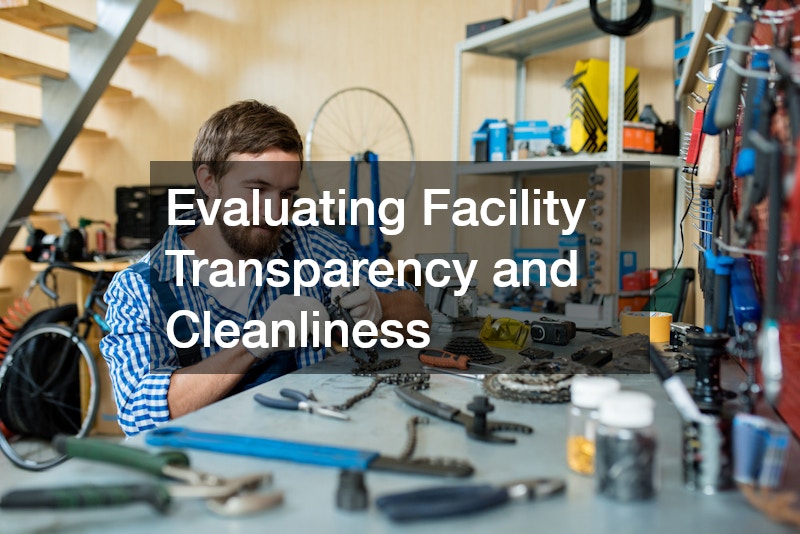
Auditing the Front Office Environment and Observing Workspace Organization
The physical condition of an automotive repair facility serves as an immediate window into the operational mindset of its management team. While it is unrealistic to expect a workshop to look like a sterile surgical suite, an elite, trustworthy shop maintains a strict culture of organizational discipline. A chaotic customer waiting area littered with ancient parts, combined with a dirty garage door, often indicates a systemic lack of attention to detail that will inevitably carry over into how they treat your engine.
When you walk into a top-tier facility for the first time, pay close attention to how they present their shop floor to the public. Trustworthy operators do not hide their service bays behind a wall of secrecy. Instead, they proudly feature viewing windows or encourage open communication at the service counter, proving they have absolutely nothing to hide. A shop that prioritizes structural safety, clean workspace floors, and organized service bays values precision engineering and treats your vehicle with deep, systematic respect.
-
Look for Clear Physical Separation in Customer Zones: Verify that the customer waiting lounge is fully insulated from shop exhaust fumes, presenting clean seating areas and up-to-date informational brochures.
-
Observe Tool and Workspace Discipline on the Floor: Watch to see if technicians keep their diagnostic computers and heavy-duty tool chests organized, which minimizes the risk of misplacing critical fasteners during a complex rebuild.
-
Confirm the Presence of a Rugged Garage Door System: Ensure the facility utilizes solid, commercial-grade overhead doors to securely lock customer vehicles inside the facility overnight, protecting your investment from weather and theft.
2. Verifying Professional Certifications and Technical Credentials
Demanding ASE Qualifications and Cross-Checking Factory Specialized Training
Trust is an emotional connection, but in the automotive world, it must be backed by documented technical capability. A mechanic’s willingness to invest their personal time into earning advanced industry certifications is an undeniable indicator of professional pride and technical expertise. The automotive industry changes at a breakneck pace; a technician who relies entirely on old training methods will quickly find themselves overwhelmed by modern hybrid systems and advanced driver assistance arrays.
Before approving a diagnostic quote, look along the office walls for active credentials from the National Institute for Automotive Service Excellence (ASE). To secure an elite ASE certification, a professional auto mechanic must pass rigorous, scientifically validated testing arrays and document at least two years of full-time, hands-on diagnostic experience. A shop that prominently displays these credentials values continuous education and possesses the precise mechanical knowledge needed to handle your car’s complex powertrain architectures.
-
Verify Blue ASE Certification Seals on Office Displays: Look for current, unexpired ASE wall plaques or shoulder patches detailing specific mastery in areas like engine performance, electrical systems, or advanced brakes.
-
Inquire About Specialized Factory Master Credentials: Ask if the diagnostic lead holds dedicated factory certifications from your specific vehicle manufacturer, ensuring they understand the unique software nuances of your car.
3. Dissecting the Transparency of the Diagnostic Explanation
Evaluating Digital Vehicle Inspections and Reviewing Failed Structural Components
An ethical automotive specialist never hides behind confusing mechanical jargon or uses aggressive scare tactics to force you into a fast repair decision. One of the clearest signs that you have found an honest technician is their eager willingness to show you exactly what is wrong with your vehicle. If a shop operator tells you a component is broken but refuses to walk you out to the lift or send you digital evidence, you should politely request your keys back and look for another provider.
Modern, highly trustworthy shops utilize advanced digital vehicle inspections (DVIs) to bridge the communication gap with vehicle owners. When executing a professional auto repair sequence, the technician will capture high-resolution photos and clear videos of worn brake pads, torn suspension boots, or leaking fluid lines, texting the media straight to your smartphone.
-
Demand a Comprehensive Digital Inspection Report: Prioritize facilities that provide detailed cloud-based inspection portfolios complete with clear color-coded system health ratings (green, yellow, red).
-
Request to See the Defective Auto Parts Post-Service: Instruct your service advisor to save all your old, worn-out components in a box so you can personally verify that the replacement work was necessary.
4. Analyzing Upfront Pricing Architecture and Estimating Baselines

Demanding Binding Written Quotes and Understanding Flat-Rate Labor Mechanics
A major red flag in the automotive service industry is a final invoice that features unexpected surcharges, vague labor descriptions, or surprise diagnostic fees. An elite, client-focused facility treats financial transactions with the same absolute precision they apply to engine timing belts. They operate with a clear pricing structure, let you know the cost of any auto parts that will need to be ordered, and provide comprehensive, binding estimates before a single wrench touches your vehicle’s engine block.
When navigating an insurance-backed claim or an extensive mechanical overhaul, ensure your service coordinator works in perfect harmony with a certified auto body shop network if structural frame alignments are required. A reputable service advisor will present a detailed written estimate line by line, cleanly separating the cost of factory-spec replacement parts from the exact labor hours billed.
-
Enforce the Line-Item Estimate Rule: Never accept a vague verbal quote over the phone; always require a written text or email detailing the exact manufacturer part numbers and flat-rate labor times.
-
Verify Immediate Consumer Protection Laws: Ensure your shop adheres to state guidelines requiring it to get explicit, documented consumer sign-off before exceeding an initial estimate by more than ten percent.
5. Testing the Scope of Facility Warranty Frameworks
Securing Long-Term Parts and Labor Assurances Across Nationwide Support Networks
A shop’s true character is revealed by how they handle things when a repair fails. Even the most skilled master technicians can occasionally encounter a defective factory component or a replacement seal that fails prematurely under high pressure. What separates a subpar repair garage from an elite, trustworthy facility is an unshakeable, written warranty that completely protects your wallet from secondary repair costs.
When sourcing high-quality replacement auto parts, a reputable shop will never offer a vague, short-term “tail-light warranty” that expires the moment you drive off their property. Instead, they stand firmly behind their workmanship by providing a minimum 12-month or 12,000-mile comprehensive parts and labor guarantee. Many top-tier independent facilities offer premium 24-month or 36,000-mile nationwide warranties backed by major parts networks, ensuring that if an issue arises while you are traveling out of state, the repair can be handled for free at a partner location.
-
Secure Written Parts and Labor Coverage Docs: Ensure your final printed invoice explicitly details the precise mileage milestones and calendar timelines of your service guarantee.
-
Inquire About Coast-to-Coast Warranty Support: Choose independent facilities that align with national groups like NAPA AutoCare or Bumper to Bumper to lock in nationwide warranty protection.
6. Observing Communication Speed and Customer Service Etiquette
Evaluating Digital Update Dashboards and Tracking Client Interaction Channels
In the modern automotive service landscape, clear and consistent communication is just as important as technical diagnostic skill. A frustrating experience with an uncommunicative shop usually stems from disorganized management rather than mechanical issues. A shop that leaves your vehicle sitting for days without a single phone update is highly likely to cut corners when executing complex technical procedures on the shop floor.
Top-tier independent garages and elite structural auto body shops utilize streamlined communication networks to keep vehicle owners informed throughout the day. Whether they utilize automated SMS text updates, interactive online chat portals, or scheduled phone consultations, a trustworthy shop ensures you always know your vehicle’s exact repair status. This professional approach lowers your stress levels and demonstrates that the business respects your personal time and daily schedule.
-
Track the Service Advisor’s Update Frequency: Look for a shop that reaches out with a solid diagnostic update within a few hours of your scheduled drop-off window.
-
Evaluate the Accessibility of Digital Portals: Choose service facilities that let you review, authorize, or decline individual repair recommendations directly through an interactive smartphone dashboard.
7. Dissecting Specialized Structural and Cosmetic Sub-Contractors
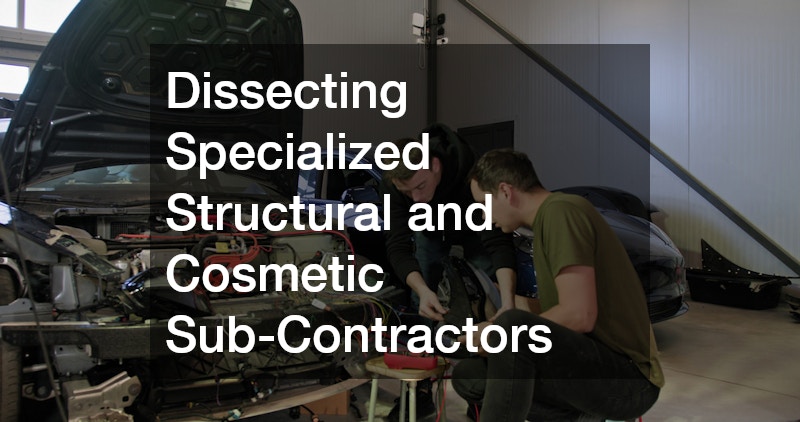
Understanding Specialized Structural Restoration Pipelines and Vetting Exterior Finish Houses
A modern automobile is an incredibly complex mix of high-strength steel frames, delicate computerized safety sensors, and intricate cosmetic paint finishes. While a general mechanical shop is great at fixing engines and replacing worn brakes, they should never attempt to pull a bent frame or repair structural crumple zones after a major accident. A trustworthy mechanical garage understands the exact limits of its tools and will connect you with specialized collision repair shops when your vehicle suffers major external damage.
If your car requires extensive body panel restoration, frame straightening, or high-durability paint matching, your primary mechanic should coordinate with premier car body repairs networks or certified collision hubs. These specialized structural spaces utilize massive frame-alignment machines, computerized color-matching tools, and clean down-draft paint booths to restore your car’s original safety ratings. A mechanic who points you toward these correct specialists proves they care more about your physical safety than making a quick buck on work they aren’t equipped to handle.
-
Audit Structural Frame Alignment Credentials: Ensure any partner collision center utilizes advanced multi-point laser measuring systems to verify your vehicle’s frame matches original factory specs down to the millimeter.
-
Inquire About Specialized Auto Body Shops: Work with certified structural technicians who utilize factory-authorized structural welding methods to ensure your vehicle’s crumple zones protect you perfectly in a future crash.
8. Analyzing Advanced Perimeter Glass and Security Options
Reviewing Polyurethane Optical Glass Bonds and Navigating Specialized Entry Systems
Your vehicle’s glass windows and electronic entry locks serve as critical components for structural safety and vehicle security. A cracked windshield weakens your car’s roof strength during a rollover accident, while a malfunctioning electronic door lock can trap you inside, requiring car locksmiths to get you out. True automotive maintenance demands specialized care when fixing these crucial perimeter security shields.
If a collision or flying road debris cracks your front windshield, a trustworthy mechanic will coordinate with a premier local auto glass shop to manage the replacement safely. Modern windshield glass is filled with advanced technology, featuring built-in rain sensors, heated element grids, and advanced forward-facing cameras that control your lane-keep assist and automatic braking networks.
-
Demand Factory OEM Optical Glass Replacements: Insist on using Original Equipment Manufacturer (OEM) glass rather than low-cost aftermarket alternatives to avoid distortion and ensure your safety cameras view the road clearly.
-
Partner with Specialized Car Locksmiths: If your key fob fails or your security ignition locks up, ensure your shop brings in certified automotive security locksmiths who use encrypted software to program entry systems safely.
9. Evaluating Vehicle Relocation and Safe Transport Networks
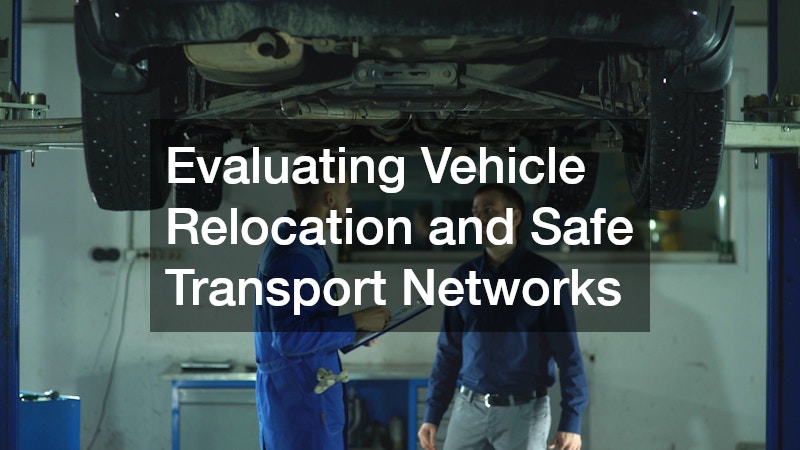
Organizing Secure Flatbed Towing Logistics and Managing Advanced Transit Assets
When your vehicle experiences a sudden mechanical breakdown or a major structural failure out on the highway, getting it safely to the shop is your first logistical challenge. A vehicle that cannot move under its own power cannot simply be dragged down the road with cheap tow straps or improper equipment; doing so can destroy your transmission, ruin your all-wheel-drive differentials, and scratch body panels. A professional, highly reliable service center works with premier transport networks to bring your vehicle in safely and cleanly.
To protect your automotive investment during a breakdown crisis, an elite service facility will coordinate with a licensed flatbed transport company to manage your vehicle’s logistics. For older, unwanted vehicles that have reached the absolute end of their operational lifespans, a trustworthy shop can also guide you through legitimate car removals networks to help you secure fair scrap value. Using these professional transport systems ensures your vehicle is moved safely, keeping your car protected from the moment it breaks down until it arrives at the shop.
-
Insist on Professional Flatbed Towing Infrastructure: Ensure your transport provider uses modern flatbed trucks so all four wheels are lifted completely off the ground, saving your drivetrain from wear during transit.
-
Leverage Certified Fleet Relocation Protocols: Work with fully bonded transport networks that use heavy-duty, soft nylon wheel straps instead of raw metal chains to secure your vehicle without scratching alloy rims.
Securing an honest, highly skilled automotive technician is a valuable asset that rewards you with long-term peace of mind, optimized vehicle performance, and predictable maintenance budgets. By moving away from emotional guesswork and evaluating your service center using objective, professional standards, such as auditing office and shop cleanliness, verifying active ASE master credentials, demanding transparent digital vehicle inspections, and requiring robust nationwide warranties, you remove the stress from the repair process.
Ultimately, your long-term success as a vehicle owner relies on your willingness to do your homework upfront and find a service team that treats your car with absolute professional care. Building a relationship with a certified, transparent auto repair shop ensures that you are never caught off guard by unexpected breakdowns or unfair invoices. Commit to absolute financial transparency, check for verified technical credentials, and look for clear, open communication across the service counter. By taking this disciplined, proactive approach to your vehicle’s care, you will successfully navigate the road ahead, keeping your car running safely, efficiently, and reliably for many years to come.