

Maintaining a vehicle in peak condition is often viewed as a chore—a series of expensive interruptions to an otherwise busy life. However, for those who view their car or truck as a vital investment, maintenance is a disciplined practice of preservation. Modern vehicles are marvels of engineering, composed of tens of thousands of moving parts working in high-heat, high-friction environments. To keep these components harmonized for 200,000 miles or more, one must move beyond the basic oil change and adopt a holistic strategy for care.
This guide is designed to provide you with a technical, actionable roadmap for total vehicle health. We will explore the nuances of engine diagnostics, the specific needs of high-torque diesel systems, the physics of braking, and the structural preservation of your vehicle’s exterior. By the end of this deep dive, you will have the knowledge required to communicate effectively with mechanics and take proactive steps to ensure your ride remains as reliable as the day it left the showroom floor.
Mastering the Foundations of Engine Health
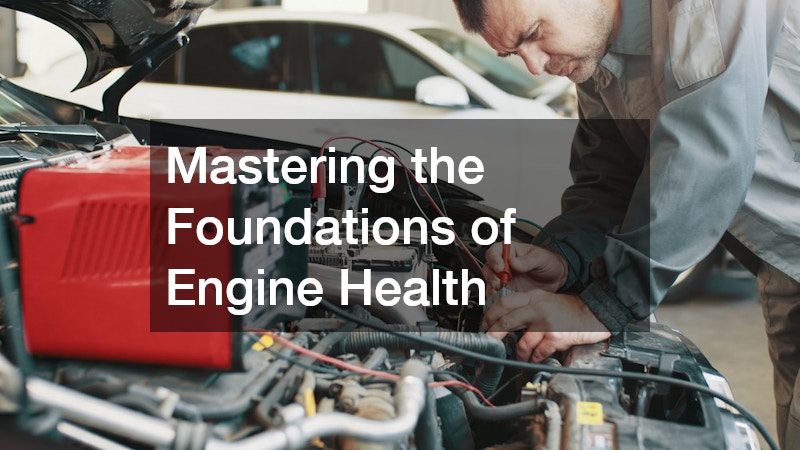
The modern internal combustion engine is governed by an intricate network of sensors and modules. When something goes wrong, the vehicle usually tries to tell you long before a mechanical failure occurs. The primary interface for this communication is the dashboard. While many drivers feel a sense of dread when a light appears, these indicators are actually tools meant to prevent catastrophic damage. To manage these effectively, drivers should adopt a proactive scanning mindset; don’t wait for a light to stay on permanently, as many auto parts stores offer free scans, or you can purchase an inexpensive OBD-II Bluetooth adapter to monitor your car’s health via your smartphone. Understanding the nuances of auto check engine lights is the first step in avoiding a massive repair bill. It is also important to remember the gas cap rule, as a poorly sealed cap is one of the most common reasons for a warning light, so always check the seal before heading to a shop.
While DIY maintenance is rewarding, some tasks require specialized tools and calibrated machinery. Establishing a rapport with a local shop for routine auto repair ensures that you have a documented service history. This documentation is gold when it comes time to sell or trade in the vehicle, as it proves the car has been well-cared for. Consistency matters in this regard, so try to use the same technician for major milestones because they will become familiar with the quirks of your specific vehicle, often catching leaks or wear patterns that a quick-lube chain would overlook. Furthermore, always ask for a digital vehicle inspection report; most modern shops provide photos of worn parts, giving you visual proof of what needs to be addressed.
Optimizing Diesel Performance and Longevity
Diesel engines are built for endurance and high-torque applications, making them the preferred choice for heavy-duty hauling and long-distance travel. However, they operate under much higher compression ratios than gasoline engines, meaning they have very specific dietary and environmental requirements. The fuel system in a diesel engine is a masterpiece of precision, where high-pressure injectors spray fuel at pressures exceeding 30,000 PSI. At these levels, even a microscopic drop of water or a tiny speck of dirt can act like a sandblaster inside your engine, which is why the quality of your diesel fuel is paramount. To protect the system, stay diligent about water separation by draining your fuel-water separator according to the manufacturer’s interval. Additionally, consider the cetane factor; higher cetane numbers indicate shorter ignition delays, and using a high-quality additive can improve cold starts and reduce the “knocking” sound common in older units.
Since the mid-2000s, diesel engines have been equipped with complex systems to reduce their environmental footprint. Effectively managing diesel emissions requires a specific driving style to ensure these components function correctly. One must be mindful of the “regen” cycle; if you only use your diesel truck for short trips, the particulate filter will never get hot enough to burn off collected soot, leading to clogging. To counter this, make regular highway runs a habit; at least once every two weeks, take your vehicle for a 20-minute drive at sustained speeds to allow the system to enter active regeneration, cleaning the filter and preventing a costly trip to the dealer for a manual forced cleaning.
The Critical Safety Systems: Stopping and Steering

Your engine gets you moving, but your brakes keep you alive. In the world of automotive maintenance, the braking system is often the most misunderstood. It isn’t just about the pads; it’s about the hydraulic integrity of the entire loop. Braking creates an immense amount of heat, which breaks down friction material and can even boil the fluid in your lines. Keeping up with brake repair is about more than just stopping—it’s about maintaining the responsiveness of the pedal. A key part of this is the fluid flush; because brake fluid is hygroscopic and absorbs moisture, you should flush it every two years to prevent internal corrosion. You must also learn to listen to the squeak; most pads have a wear indicator that chirrups when you have about 15% of your pad life left, and waiting until you hear a grinding noise means you are likely damaging the expensive rotors.
If you drive a larger vehicle, the stresses on your steering and suspension are magnified by weight. Specialized truck repairs often focus on components that passenger cars don’t have to worry about as much, such as heavy-duty ball joints, pitman arms, and leaf spring shackles. During every oil change, perform suspension greasing on any greaseable fittings to push out dirt and moisture. Regular alignment checks are also vital because trucks often traverse uneven terrain or carry heavy loads, causing their alignment to shift more easily; an annual check can prevent feathering of the treads and keep your steering wheel centered.
Maximizing Road Grip and Efficiency

Your tires are the only four points of contact between your vehicle and the asphalt. Neglecting them doesn’t just hurt your fuel economy; it compromises your ability to steer and stop in an emergency. A tire is a complex assembly of fabric, steel belts, and chemical compounds, and the most common cause of premature failure is improper inflation. Checking your car tires once a month can add thousands of miles to their lifespan. Be aware of temperature fluctuations, as a 10-degree drop in outside temperature can cause tires to lose significant pressure. Furthermore, remember that depth matters; use the penny test to check your tread, as hydroplaning risk increases exponentially once tread depth drops below 4/32 of an inch.
For many owners, a vehicle is a tool that needs to be customized for specific jobs. Whether it’s for work or recreation, adding truck accessories can improve functionality, though these additions must be installed correctly. For lighting upgrades, ensure they are wired with a proper relay and fuse to avoid overloading the factory computer. Regarding protection for the bed, if you haul tools or gravel, a bed liner is essential to prevent scratches that lead to rust, which can eventually compromise the structural integrity of the frame.
Protecting the Drivetrain and Exterior

The drivetrain is the muscle of your car, and the body is the skin. Both require specific care to prevent the aging process from setting in prematurely. The transmission is perhaps the most complex component of your vehicle, and when people neglect transmission repair, they usually end up facing a bill that exceeds the value of the car. Monitor the fluid color and smell; healthy fluid is typically bright red, whereas dark or burnt-smelling fluid has lost its ability to lubricate. Additionally, avoid the “power flush” on older vehicles, as a high-pressure flush can sometimes dislodge debris that gets stuck in the valve body; a simple drain and fill is often a safer way to introduce fresh additives.
Many drivers treat a small chip in their glass as a cosmetic nuisance, but your front glass is actually a structural component of the vehicle’s cabin. This is why windshield repair is a safety-critical task that should never be ignored. Follow the quarter rule: if a chip or crack is smaller than a coin, it can usually be filled with resin to restore strength, but anything larger or in the driver’s line of sight requires a replacement. To prevent damage, avoid temperature shocks; never pour hot water on a frozen windshield to defrost it, as the thermal expansion will almost certainly cause any existing small chips to crack instantly across the entire surface.
The Strategic Maintenance Schedule
To manage all these moving parts, you need a schedule that balances frequent inspections with long-term preservation. Every month, you should check tire pressure, test all exterior lights, and inspect for any new leaks on your driveway. Every six months, shift your focus to replacing windshield wipers before they start streaking, cleaning the battery terminals to prevent corrosion, and waxing the paint to protect against UV rays. On an annual basis, replace the cabin air filter for better air quality, perform a professional brake inspection, and clean the engine bay of debris that can hold moisture.
Beyond the basics, understanding the economics of ownership reveals that the preventative spend is always lower than the catastrophic spend. A well-maintained car is predictable and retains a much higher resale value. Advanced care can further extend this life; for instance, once a year, use a high-quality fuel system cleaner to remove carbon deposits. You should also check your coolant’s pH level every two years to ensure it hasn’t become acidic, and use a UV protectant on rubber and plastic seals to prevent them from drying out and cracking.
Optimizing the Electrical Heart of the Vehicle
While much of automotive care focuses on mechanical gears and fluids, the modern vehicle is increasingly defined by its electrical architecture. The battery, alternator, and starter form a closed loop that must be maintained to ensure you aren’t left stranded. Cold weather is the traditional enemy of the battery, but extreme summer heat is actually what causes internal plate corrosion and fluid evaporation. To stay ahead of failure, have your battery load-tested annually; a battery may have enough voltage to turn on the lights but lack the cold cranking amps necessary to turn over the engine on a frosty morning. Additionally, keep the terminals free of the white, powdery acid buildup by cleaning them with a mixture of baking soda and water, then applying a thin layer of dielectric grease to prevent future oxidation.
Beyond the battery, the modern alternator is under more stress than ever before due to heated seats, infotainment screens, and advanced safety sensors. If you notice your headlights flickering or your power windows moving more slowly than usual, it is a sign that your charging system is struggling. Regular truck repairs often involve checking the tension and condition of the serpentine belt, which is the literal link between the engine’s rotation and the alternator’s power generation. A cracked or glazed belt can slip, leading to an undercharged system and eventual component failure. Ensuring this belt is replaced every 60,000 to 100,000 miles is a cheap insurance policy against an expensive electrical breakdown.
Preserving the Interior Sanctuary and Undercarriage
The longevity of a vehicle is not solely measured by how well it runs, but also by the condition of the environment where you spend your time. Interior maintenance is often dismissed as purely aesthetic, but a neglected cabin can lead to structural issues like floorboard rust or electrical shorts from spilled liquids. Start by treating leather and vinyl surfaces with a dedicated conditioner that offers UV protection; this prevents the dashboard from cracking and the seats from becoming brittle. It is also wise to invest in high-quality floor mats that can trap moisture and road salt, particularly in colder climates where “carpet rot” can set in from the constant presence of melting snow and ice.
Equally important is the part of the vehicle you rarely see: the undercarriage. This area is constantly pelted by road debris and corrosive chemicals used for de-icing. To keep your vehicle in top condition, make it a habit to use an undercarriage wash at least once a month during the winter to blast away salt from the frame and brake lines. For those who live in high-corrosion areas, applying a professional-grade lanolin-based undercoat can provide a sacrificial barrier that prevents rust from ever gaining a foothold. By treating the “skin” of the car with as much respect as the engine, you ensure the frame remains solid, and the cabin remains a comfortable, quiet space for the duration of the vehicle’s life.
Keeping your vehicle in top condition is a journey, not a destination. It requires a blend of mechanical sympathy, regular observation, and the willingness to address small issues before they snowball into major failures. Whether you are driving a compact commuter car, a high-performance sports car, or a heavy-duty work truck, the principles remain the same: clean fluids, quality parts, and a proactive mindset. By following the strategies outlined in this guide, you aren’t just fixing a machine; you are ensuring that your daily commute remains safe and your investment remains secure for years to come. Take pride in your vehicle, and it will surely return the favor on every mile of the road ahead.